Distressing gives a brand-new paint job the charm of a piece that's been loved for decades. Chalk paint is perfect for it — the matte, chalky finish sands back cleanly and layers beautifully. Here are three approaches, from subtle to heavily worn.
Method 1: Sand back the edges (easiest)
Once your paint is fully dry, take a fine sanding block and gently rub the spots that would naturally wear over time — edges, corners, raised details, around handles. Go slow and step back often. A little reveals the wood beneath; more reveals the layer of color underneath if you painted two.
Follow the wear
Real wear happens where hands and bodies touch furniture. Distress edges, not flat centers, for a result that reads as authentic rather than random.
Method 2: The wet-cloth method (no dust)
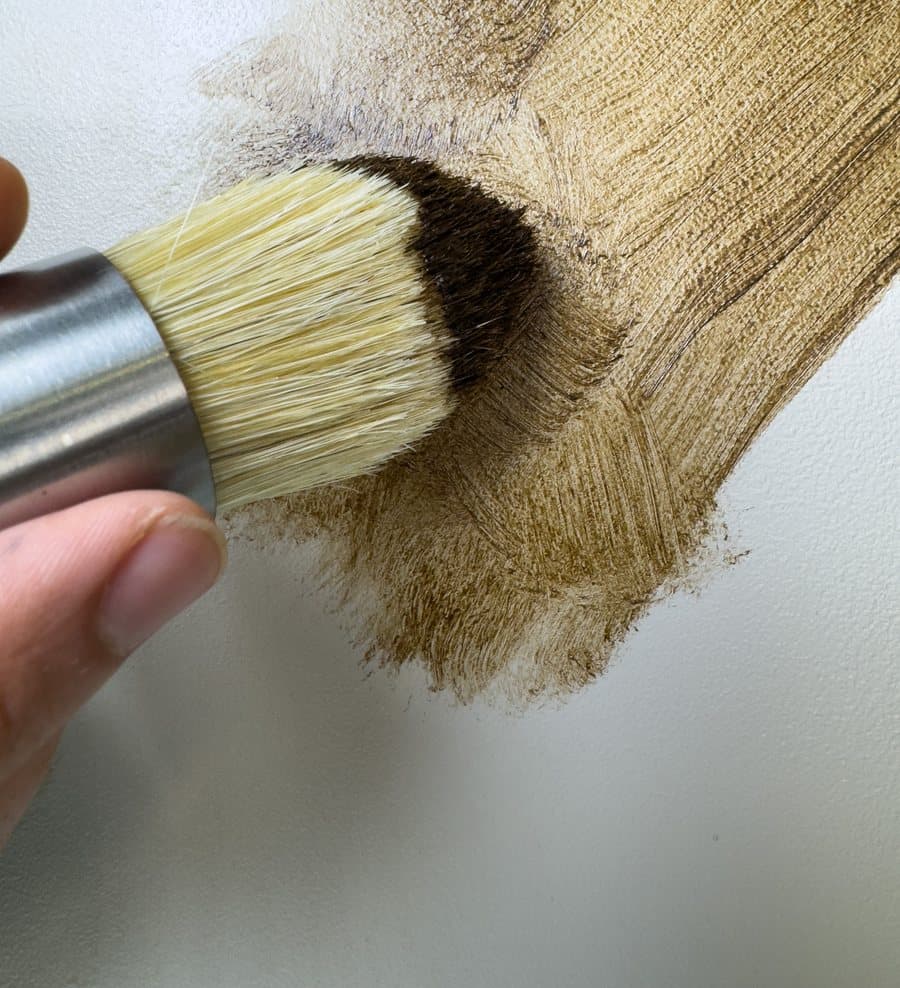
Because chalk paint stays workable briefly, you can wipe back a still-soft second coat with a damp cloth to expose the color underneath — no sanding dust at all. It's a gentler, more controllable look that's ideal indoors.
Method 3: Two-color layering for depth
For the richest farmhouse look, paint a base color, let it dry, then paint a contrasting top color. When you distress, you reveal three layers — top color, base color, and bare wood — for real visual depth.
Seal it (optional)
Distressed pieces don't need a top coat, but a clear matte sealer over heavily sanded areas can lock in the look on furniture that gets daily use. The finish stays matte and natural.