Chalk It! self-levels, so you'll get a good result with almost any tool. But matching the applicator to the surface gets you from good to flawless. Here's the quick guide.
The brush: detail and texture
A quality oval or flat brush is the all-rounder. It works carved details, spindles, trim and tight corners that a roller can't reach, and it lets you build a soft, hand-painted texture if you want one. Use long, light strokes and let the paint level itself.
- Best for: chairs, carved furniture, trim, cabinet frames
- Finish: smooth with optional subtle brush texture
The foam roller: glass-smooth flats
For large flat panels — tabletops, doors, dresser fronts — a small high-density foam roller lays down the most uniform, brush-mark-free coat. Roll thin, even passes and finish each section in one direction.
- Best for: tabletops, cabinet doors, flat panels
- Finish: ultra-smooth, no brush marks
The sponge: texture and tight spots
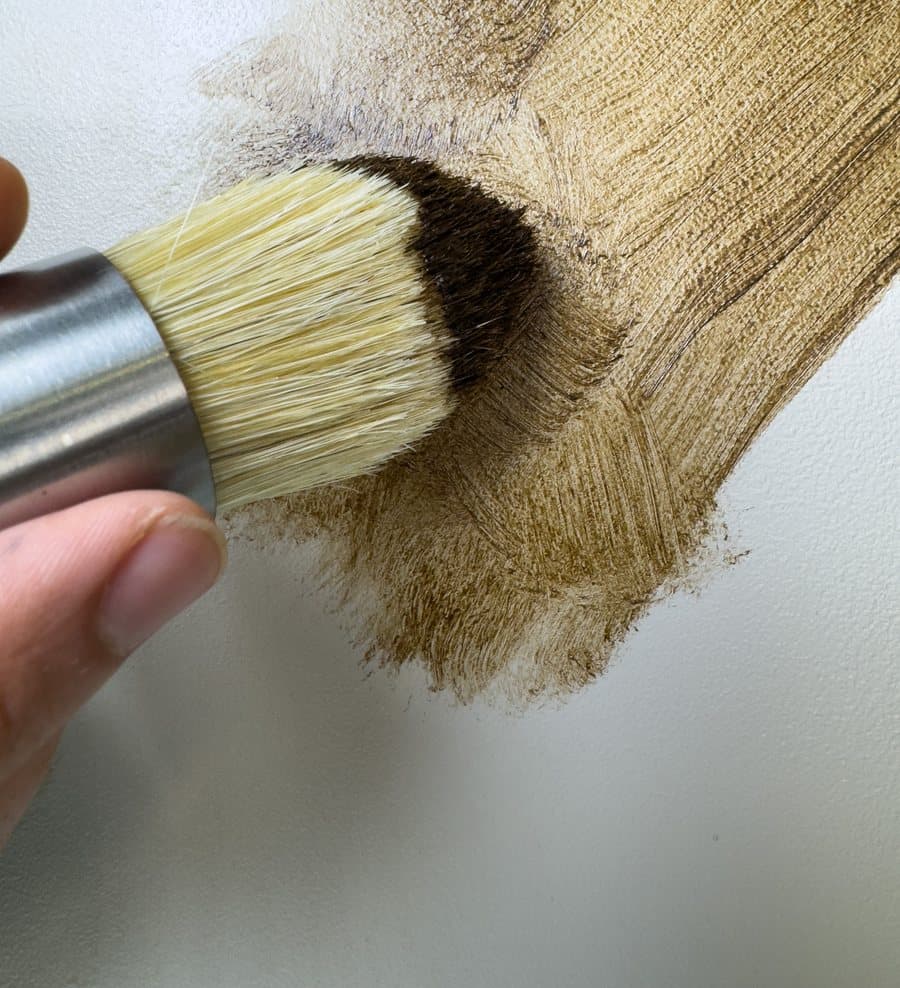
A sponge or stippling brush is the specialist. Dab paint onto textured surfaces like wicker and rattan, or use it to create stippled, aged effects. It's also handy for getting into woven and irregular shapes.
Pro tips for a smoother finish
- 1Always paint thin coats — two thin beat one thick.
- 2Don't go back over paint that's started to set; let it level.
- 3Lightly buff between coats with a fine sanding sponge for a furniture-grade finish.
- 4Keep a wet edge and work section by section.