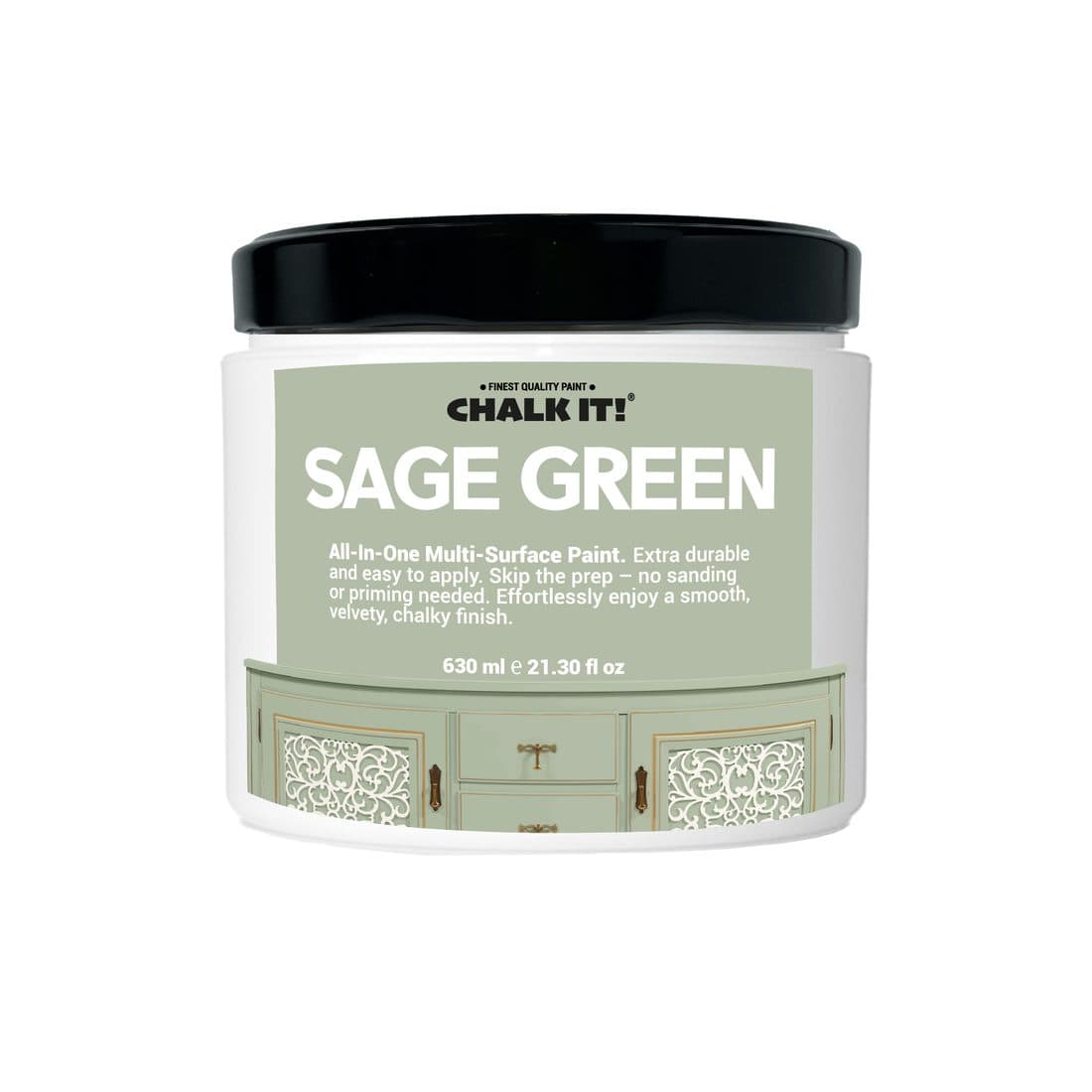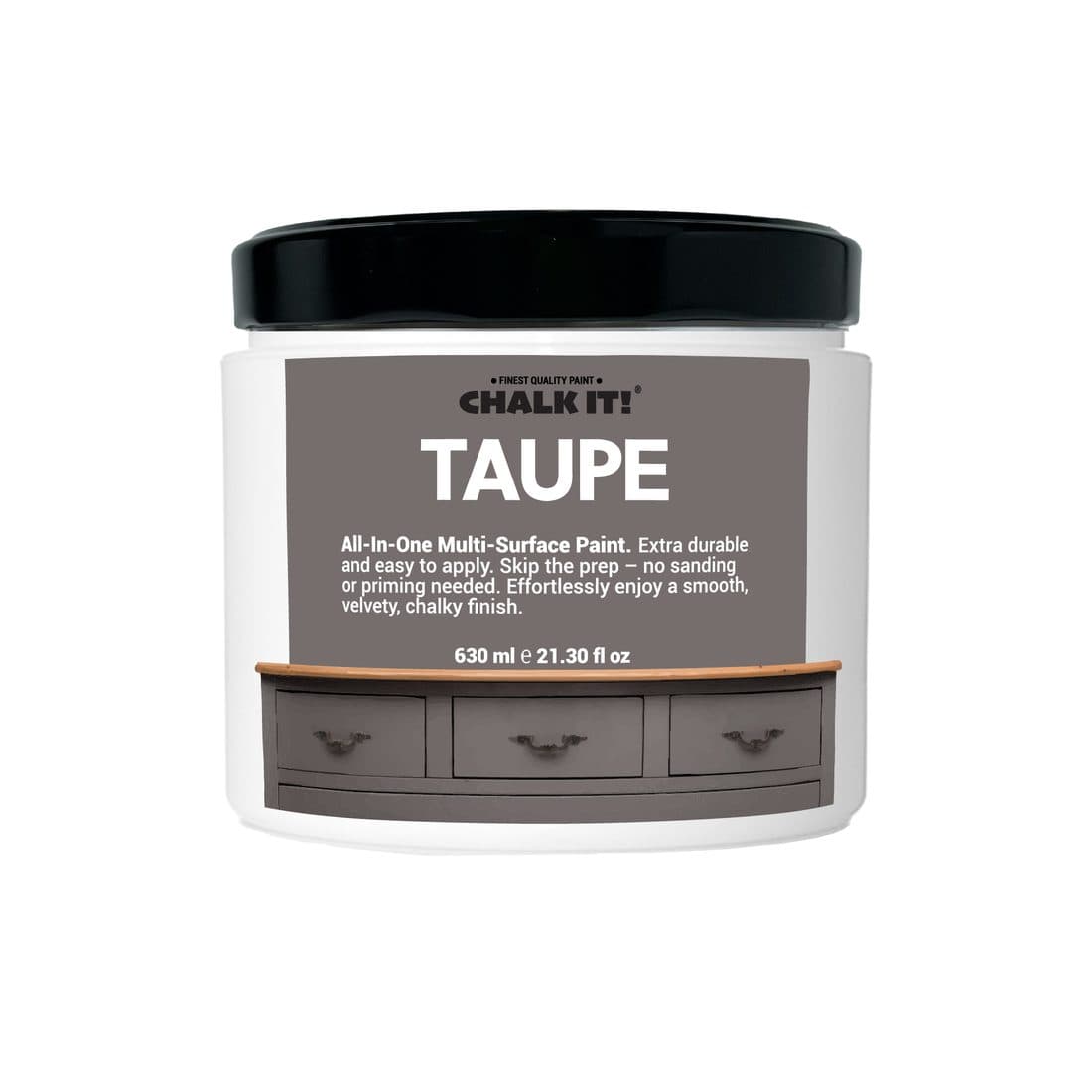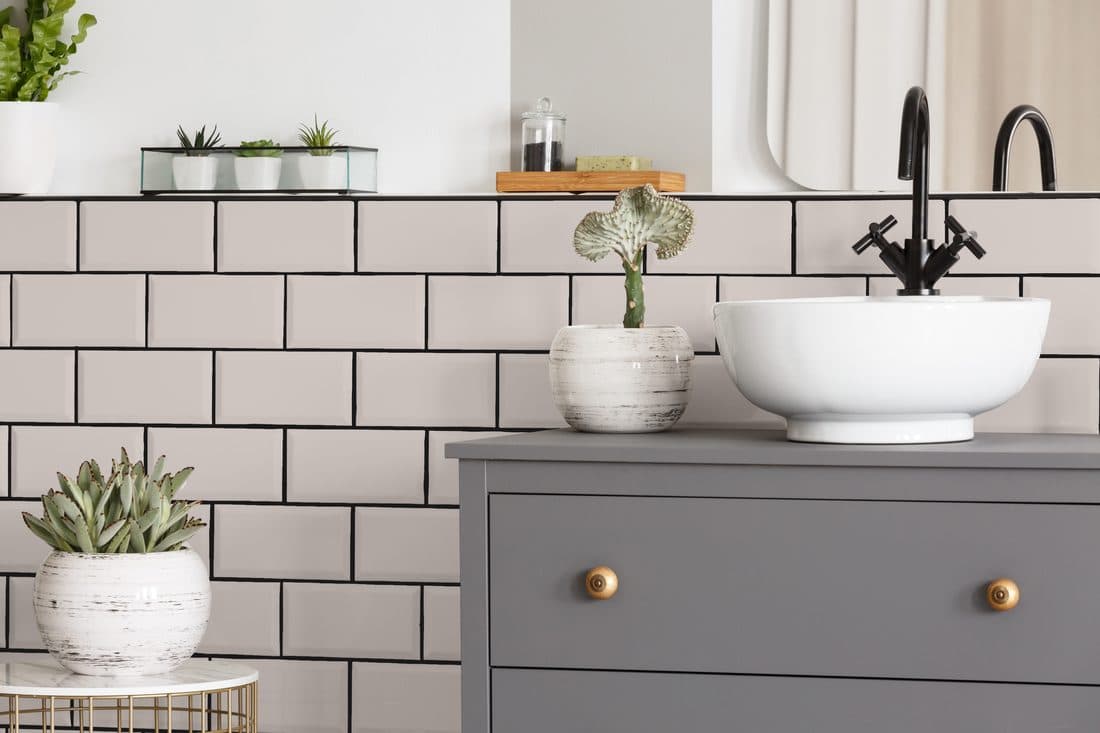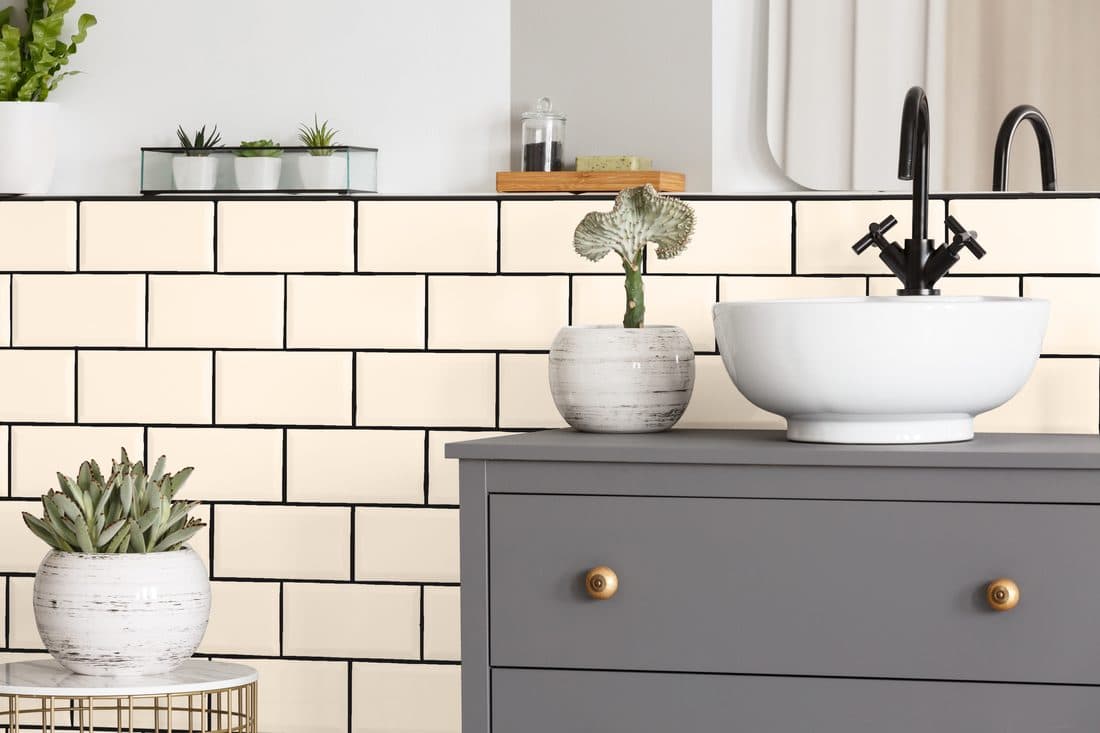
Choosing a color is the part everyone overthinks. The trick isn't finding the 'perfect' shade in the abstract — it's choosing the right shade for your piece, your light, and your room. Here's a method that takes the guesswork out.
Step 1: Start with the room, not the swatch
Look at what's already in the space that isn't changing — flooring, big furniture, fabrics, metals. Your new color should either harmonize with these or deliberately contrast them. Pull two or three existing colors and use them as your anchor.
Step 2: Decide the job the color should do
- Blend in — pick a tone close to the walls or surrounding furniture.
- Stand out — choose a saturated accent that contrasts the room.
- Calm down — lean into soft, muted neutrals and greens.
- Warm up — reach for creams, beiges, and earthy tones.
Step 3: Understand undertones
Every neutral has an undertone — a grey can lean blue, green or warm taupe. Undertones are why two 'greys' can clash. Hold your color next to the room's anchor colors and check whether the undertones agree. This one habit prevents most color regrets.
The undertone test
Place a color next to a pure white sheet of paper. Against true white, its real undertone — warm, cool, or muddy — jumps out.
Step 4: Test in your actual light
Light changes everything. North-facing rooms cool a color down; warm bulbs push it warmer; bright sun washes it out. Paint a sample patch (or a scrap board) and look at it morning, noon and night before you commit.
Step 5: Commit — color is low-risk with chalk paint
Here's the freeing part: with all-in-one chalk paint, a color isn't a life sentence. It goes on without prep and covers in two coats, so repainting a piece you've changed your mind about is an afternoon, not a project. That makes bolder choices a lot less scary.