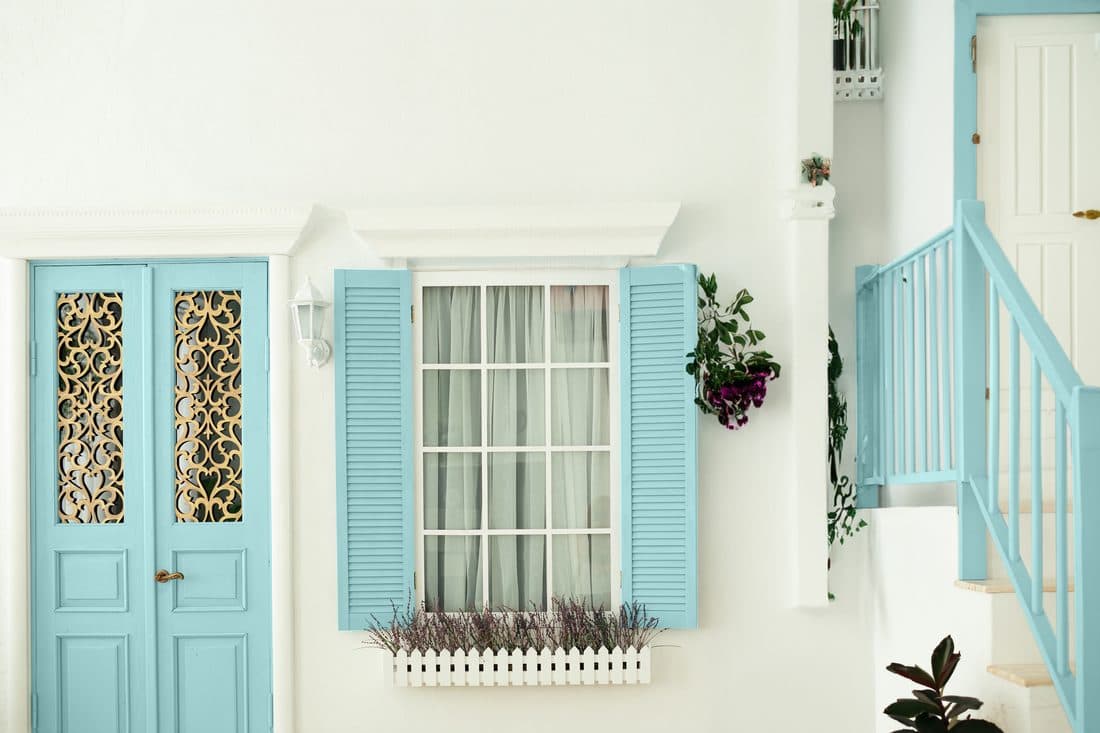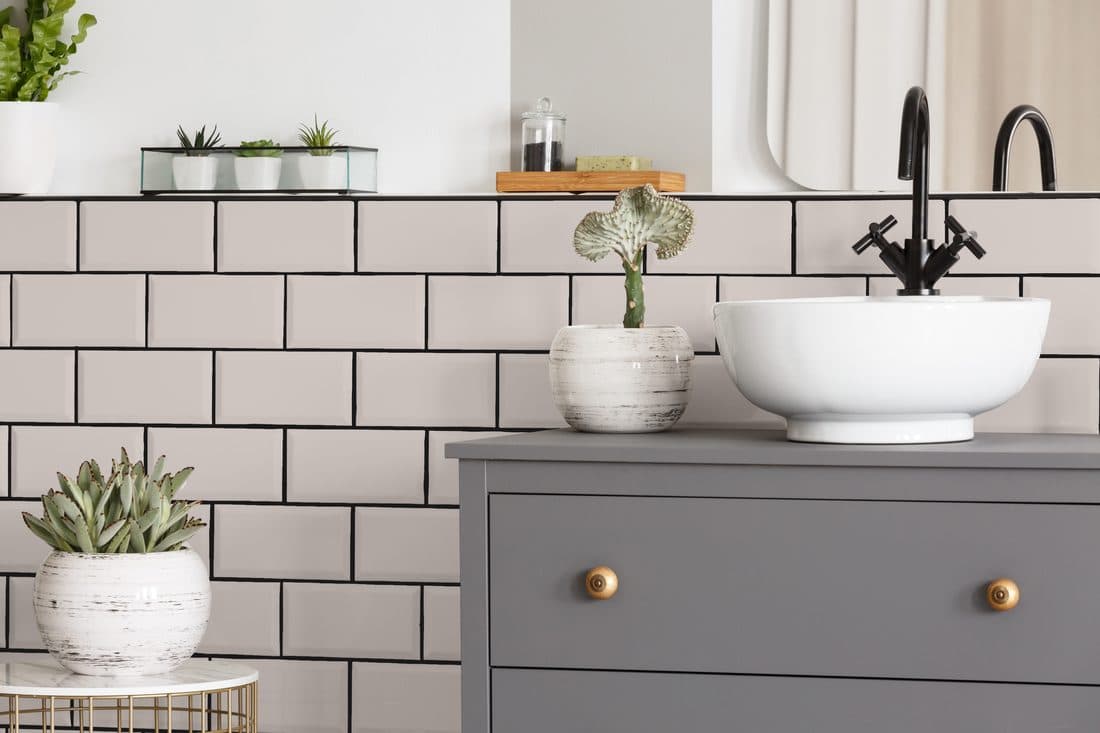
The homes that feel 'pulled together' almost always run on a small, repeating palette. You don't need a design degree to build one — just a simple framework and a few rules of thumb. Here's how.
Start with a palette of 3–5 colors
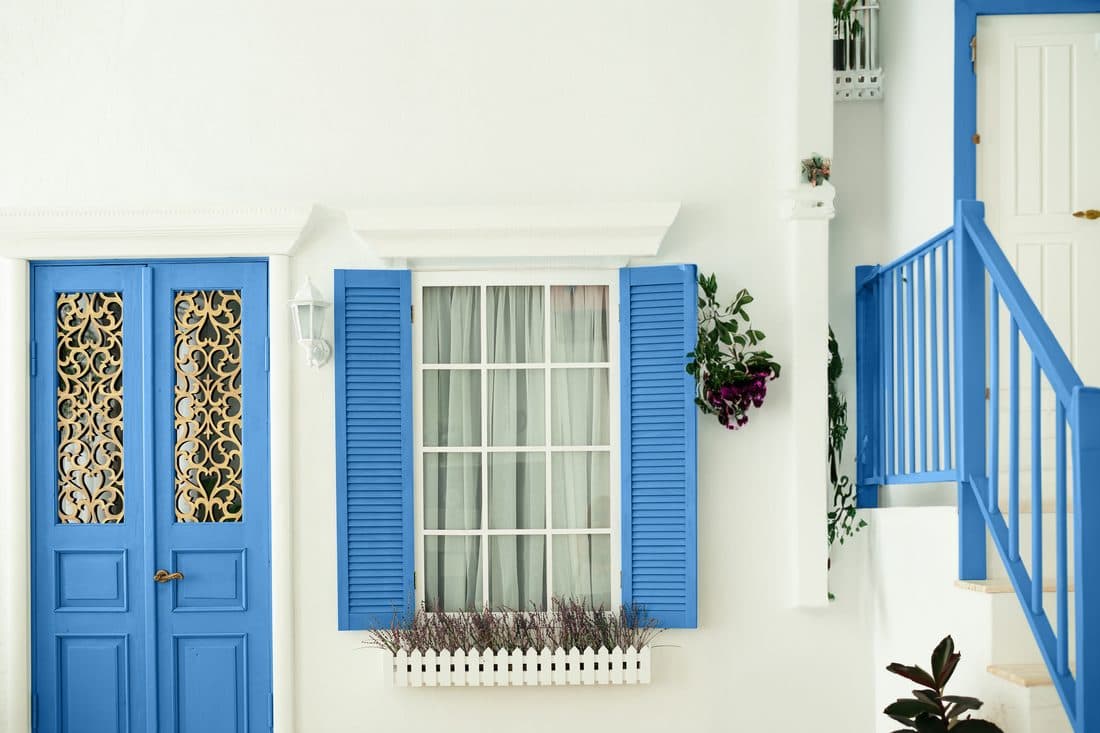
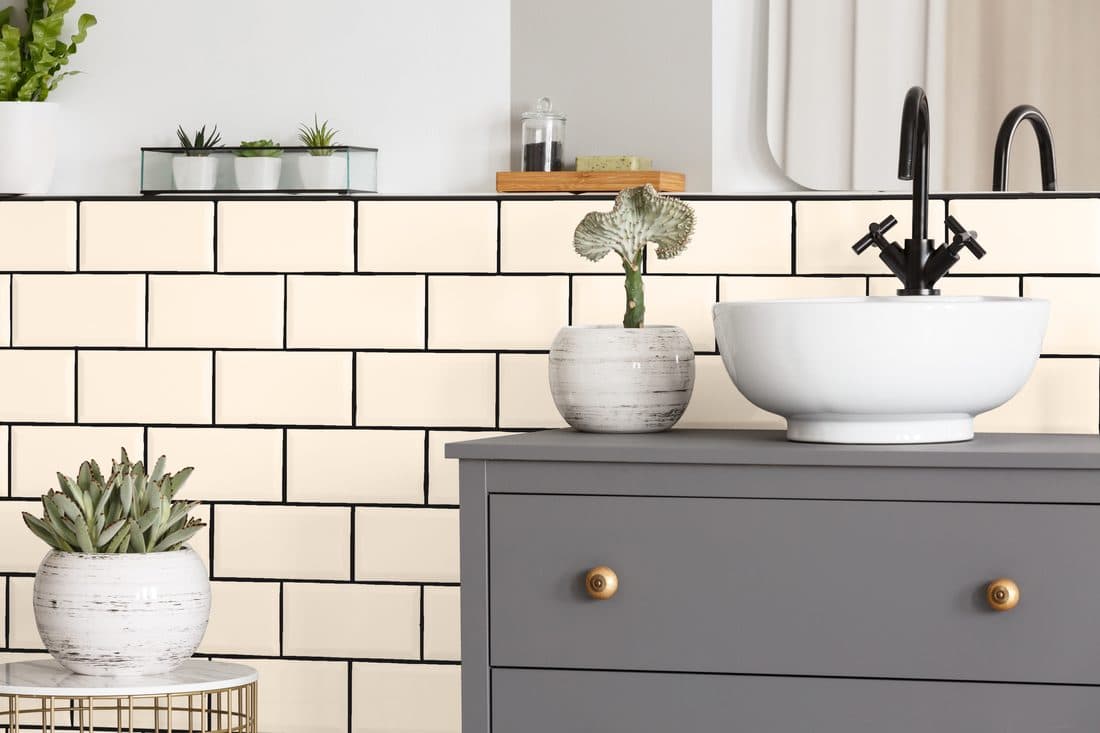
A workable home palette is usually one or two neutrals, a main color, and one or two accents. That's it. Limiting yourself is what creates cohesion — the same handful of colors, reused in different amounts across rooms.
Use the 60-30-10 rule
This classic designer ratio keeps a room balanced:
- 60% dominant — your main, usually a neutral (walls, large furniture)
- 30% secondary — a supporting color (smaller furniture, textiles)
- 10% accent — your bold pop (a painted piece, decor, hardware)
Painted furniture is the easiest way to introduce your 30% and 10% without repainting walls. A single accent dresser or cabinet can anchor the whole scheme.
Carry the palette room to room
Cohesion across a home doesn't mean every room is identical. Keep the same neutral as a thread, then shift which accent leads in each space — sage forward in one room, navy forward in another. The shared base makes transitions feel intentional.
Pull from one object
Stuck? Choose a rug, a piece of art or a fabric you love and pull your whole palette from the colors already inside it. The hard work of matching is done for you.
Add depth with tints and shades
Because chalk paint colors mix freely, you can create lighter and darker versions of one palette color for extra dimension — a deeper shade on a statement piece, a softer tint on trim. That's how a small palette stays interesting.