The color of a room changes how it feels before you've registered a single object in it. Designers lean on this constantly. Here's a practical, room-by-room guide to what colors do — so you can paint for the feeling you actually want.
Blues: calm, focus, and space
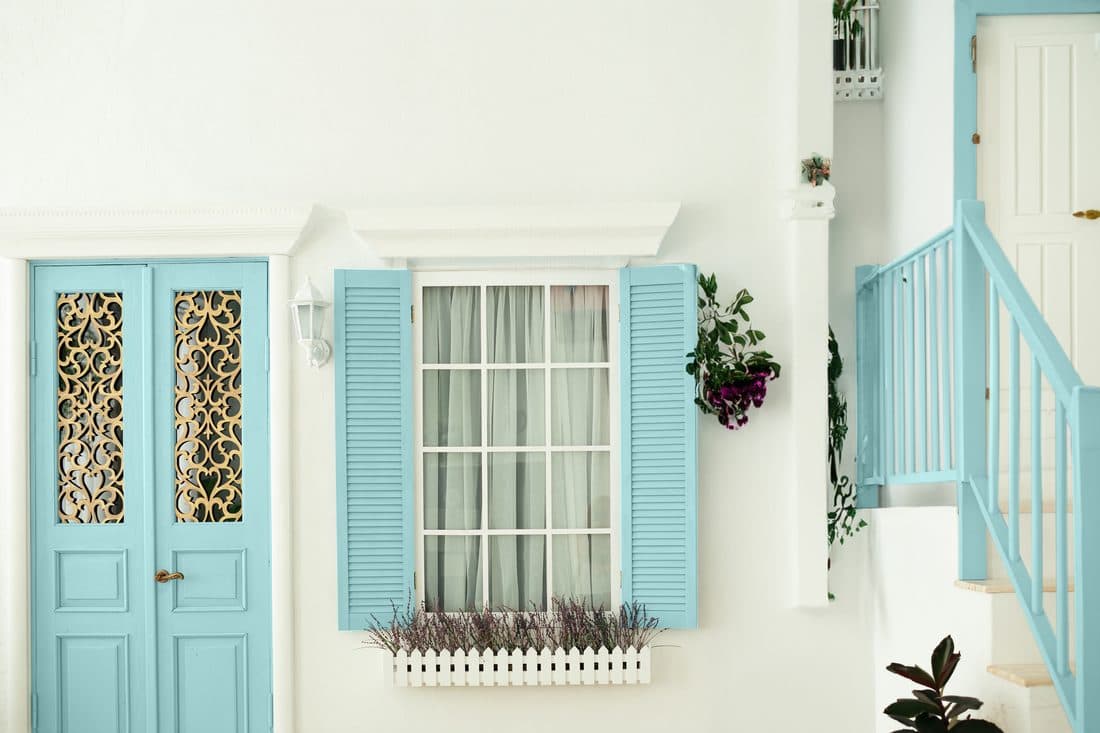
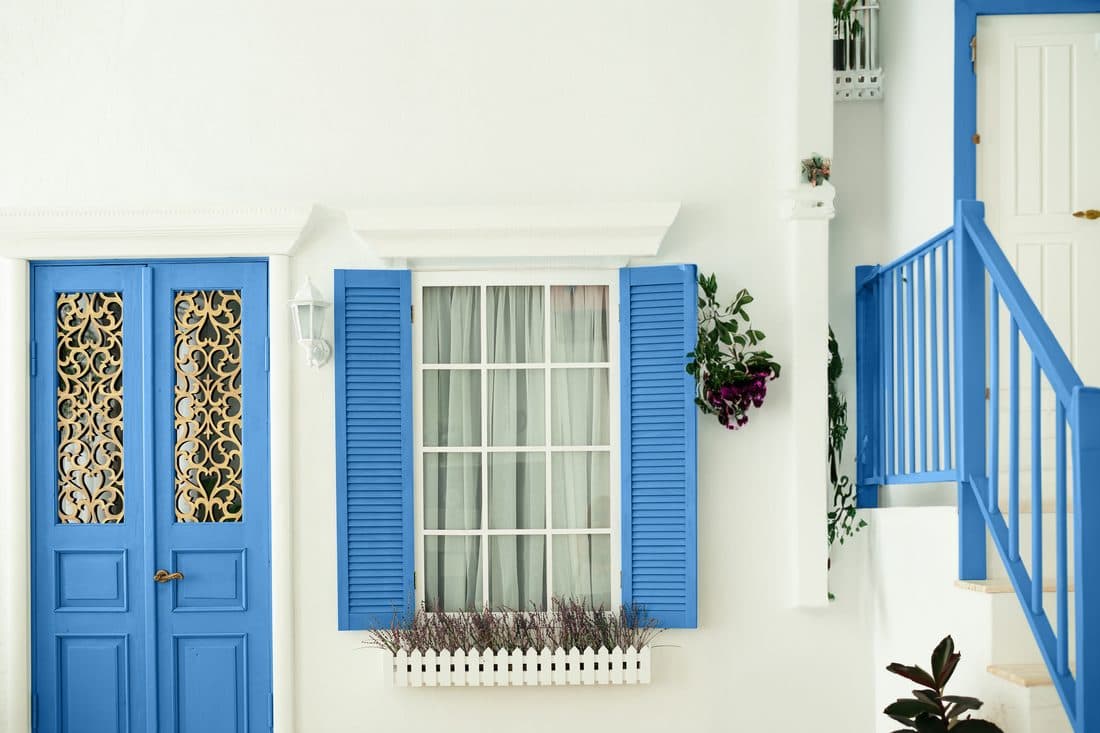
Blue lowers the visual 'temperature' of a room and reads as calm and clear-headed. Soft blues suit bedrooms and bathrooms; deeper blues like navy and cobalt feel grounded and confident in offices, libraries and accent pieces.
Greens: balance and restoration
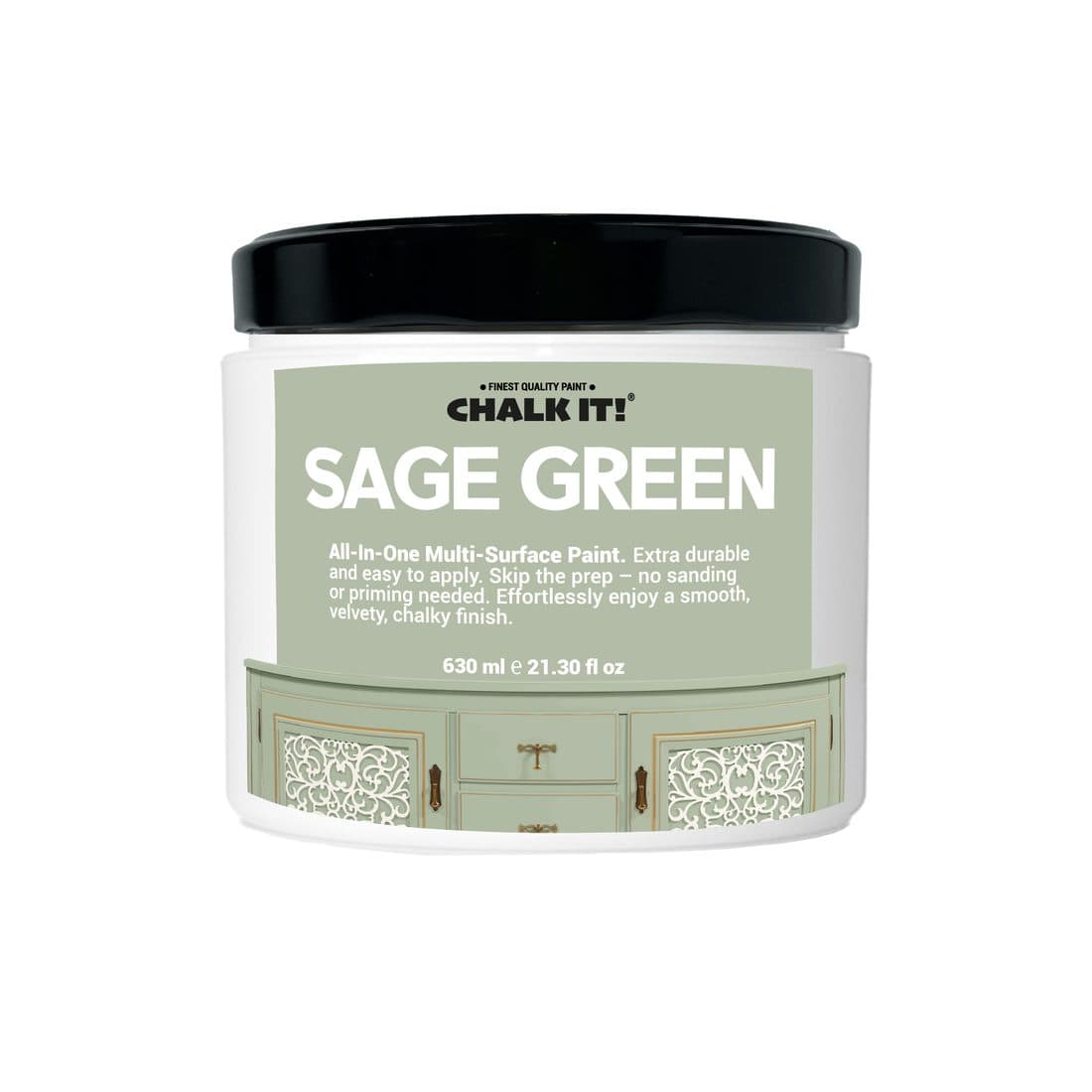
Green is the color our eyes find most restful — it bridges warm and cool and brings the outdoors in. Sage and muted greens are the defining 'calm' neutral of modern interiors, equally at home in kitchens, bedrooms and living spaces.
Reds and warm tones: energy and appetite
Warm colors advance toward you and raise energy. Red is stimulating and sociable — great for dining rooms and statement accents, less so for spaces meant for sleep. Terracotta and peach give you that warmth in a softer, more livable form.
Yellows: optimism and light
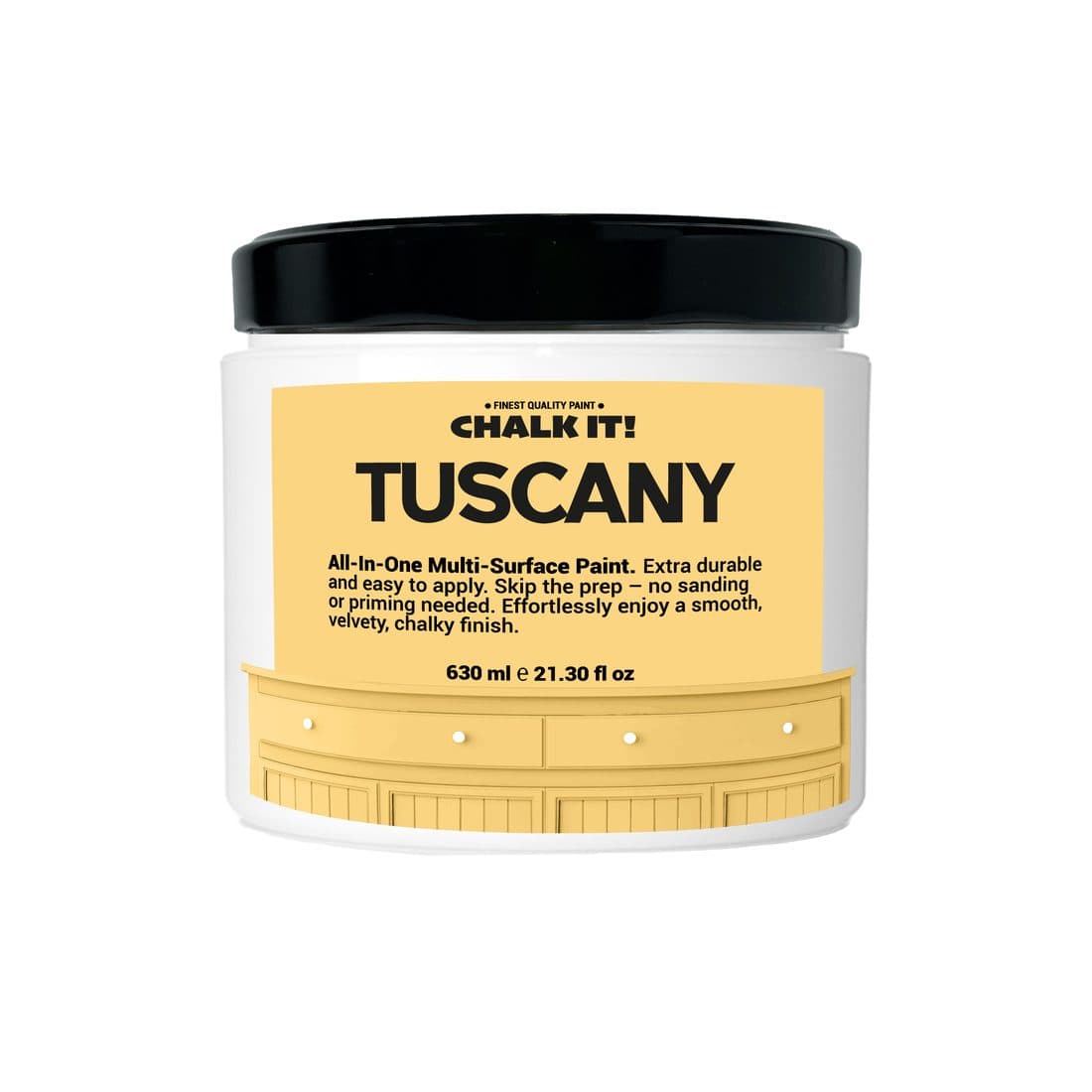
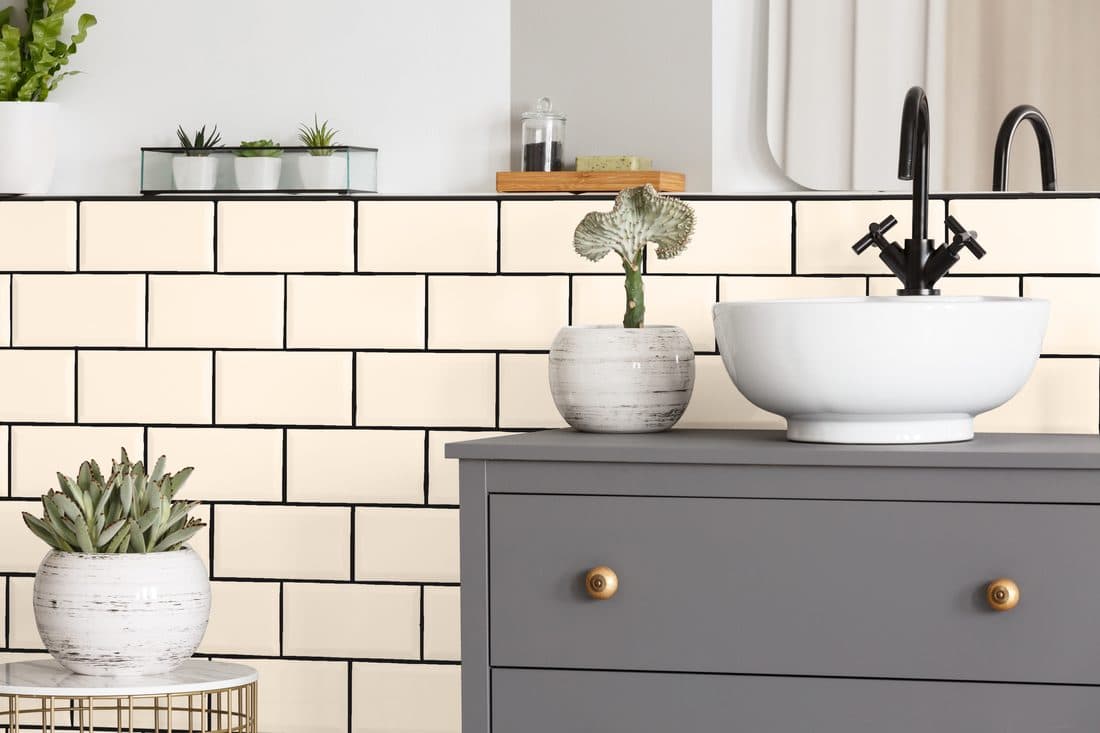
Yellow is the most cheerful color on the wheel and bounces light around a room. A golden yellow lifts kitchens, entryways and dark corners. Used in small doses it adds a hit of sunshine without overwhelming.
Neutrals: the quiet foundation
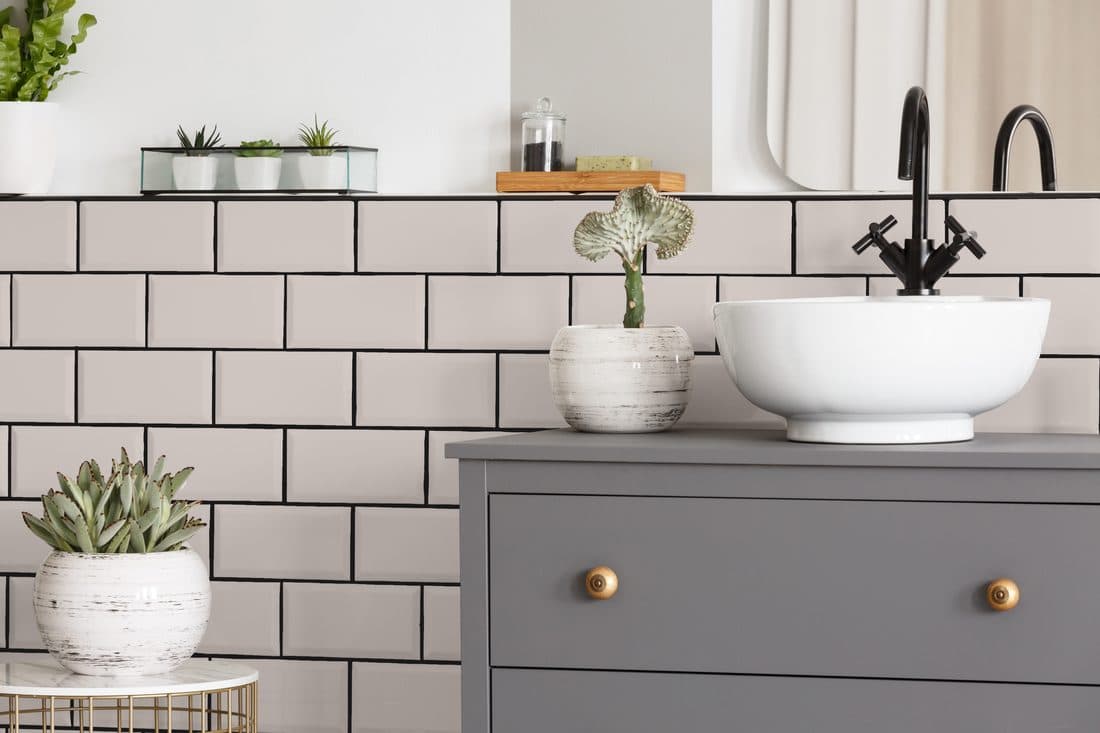
Beiges, greiges and soft greys don't shout — they let everything else in the room breathe. They're the safe, sophisticated backdrop for layered, restful spaces, and they make bolder accent pieces pop.
Quick room-by-room cheat sheet
- Bedroom: soft blues, sage greens, warm neutrals (rest)
- Kitchen: sage, sunny yellow, crisp neutrals (fresh, social)
- Bathroom: light blues, greens, clean whites (spa-like)
- Office: deep blue, charcoal, grounded greens (focus)
- Dining room: warm reds, terracotta, deep tones (appetite, conversation)