The IKEA flip is one of the biggest DIY trends going — turning cheap, slick laminate pieces into custom-looking furniture. The challenge is that laminate is smooth and non-porous, so paint needs help to grip. Here's how to make it stick and stay.
Why laminate is different
Solid wood is porous and grabs paint easily. Laminate and melamine (what most IKEA and budget furniture is made of) have a sealed, plastic-like surface. All-in-one chalk paint bonds to it far better than wall paint — but a little prep makes the difference between a finish that lasts and one that peels.
The method
- 1Clean and degrease the whole piece — laminate holds oils and residue.
- 2Lightly scuff the glossy surface with a fine sanding sponge. You're not sanding it down, just dulling the shine so paint can key in. This step matters more on laminate than on wood.
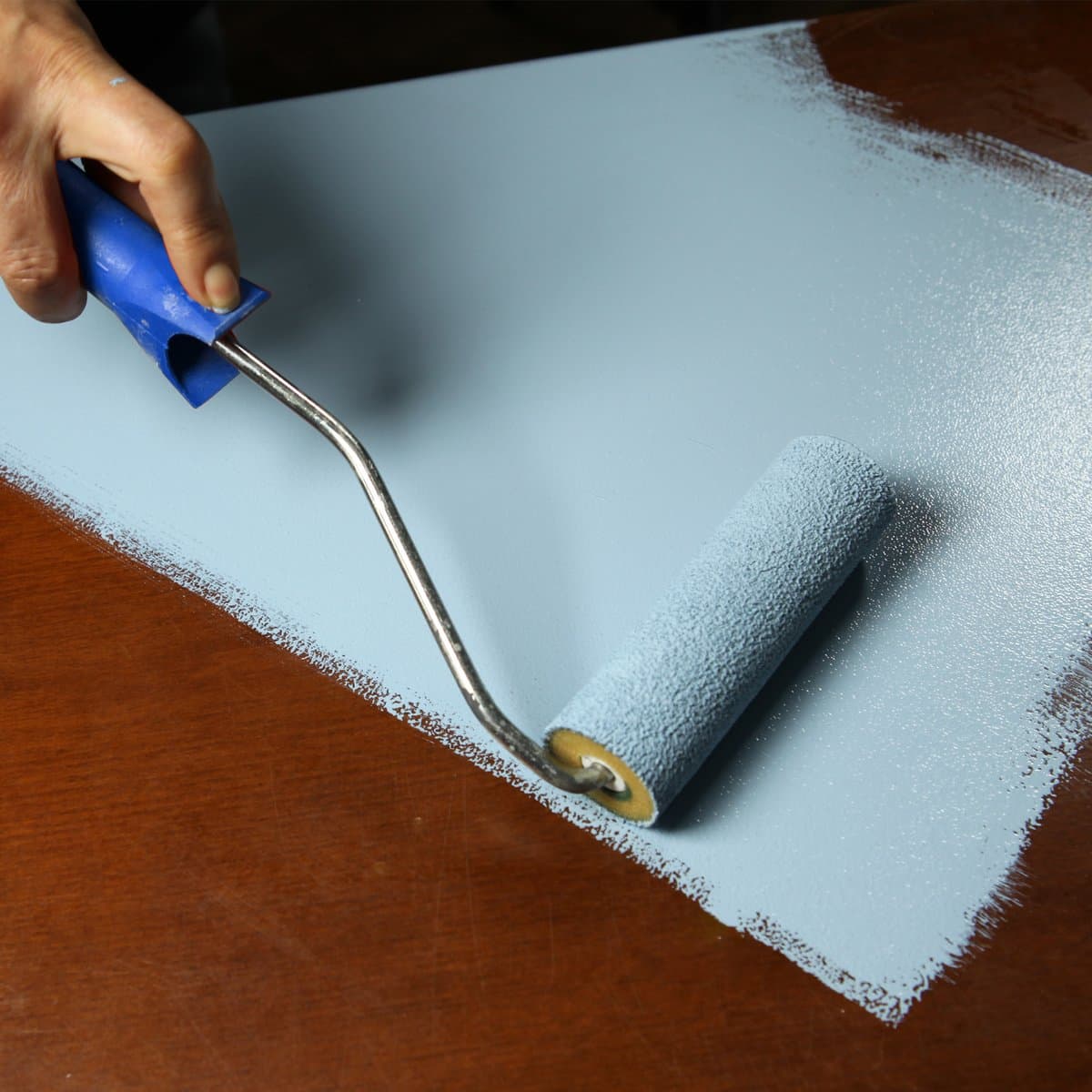
- 3Paint thin coats. Apply a thin first coat and let it grip. Thick coats on slick surfaces stay soft — keep them thin.
- 4Add a second coat after about 30 minutes for full coverage.
- 5Let it cure fully before use, and seal high-touch pieces (desks, tabletops) with a clear top coat.
The edges are the weak point
Laminate chips at corners and edges where it's handled most. Take extra care cleaning and scuffing edges, and consider a top coat on well-used pieces to protect them.
Thrift + IKEA = endless projects
Once you can paint laminate, the whole second-hand market opens up. That $10 thrifted dresser or as-is IKEA piece becomes a blank canvas. Clean, scuff, paint thin, seal — and it looks like it cost ten times as much.