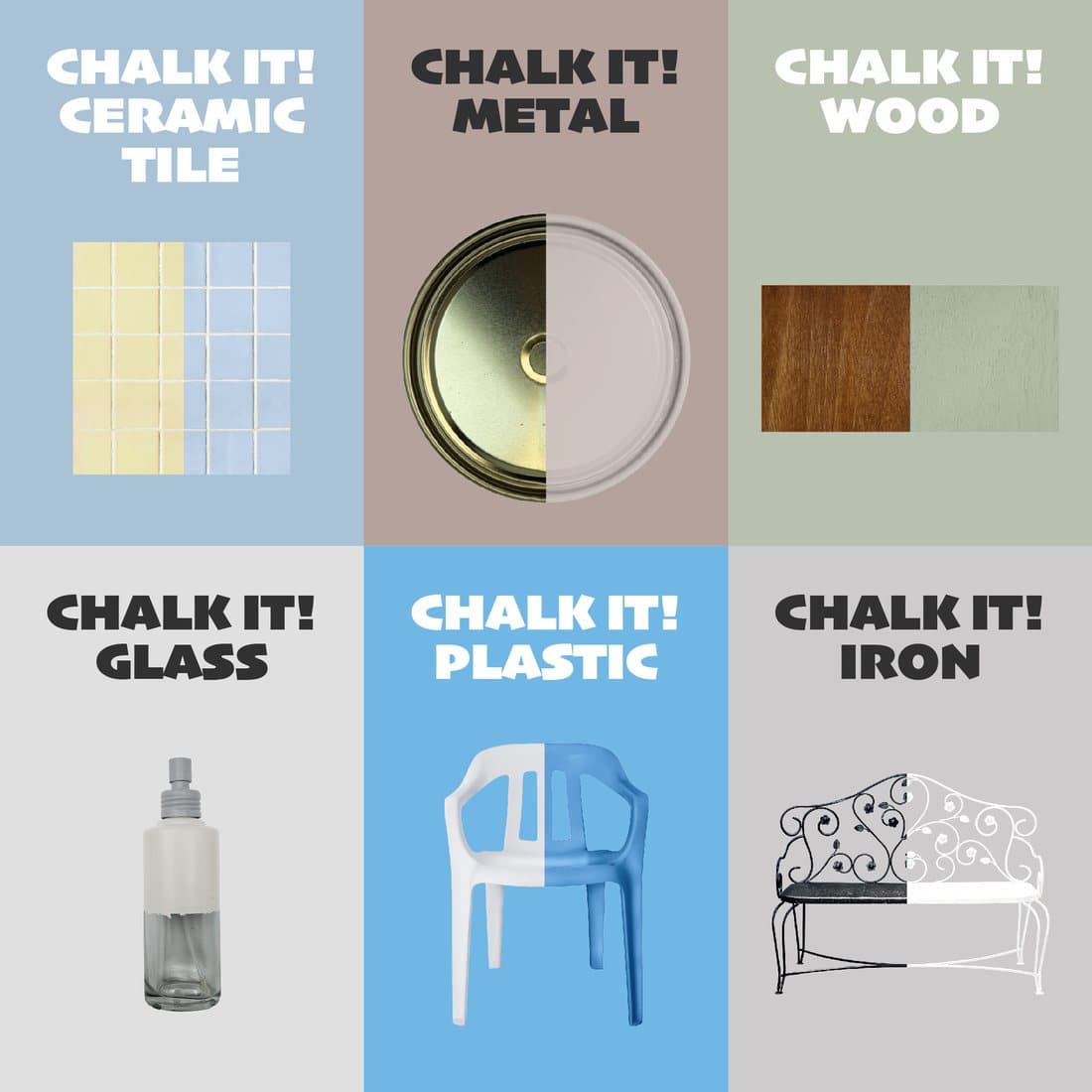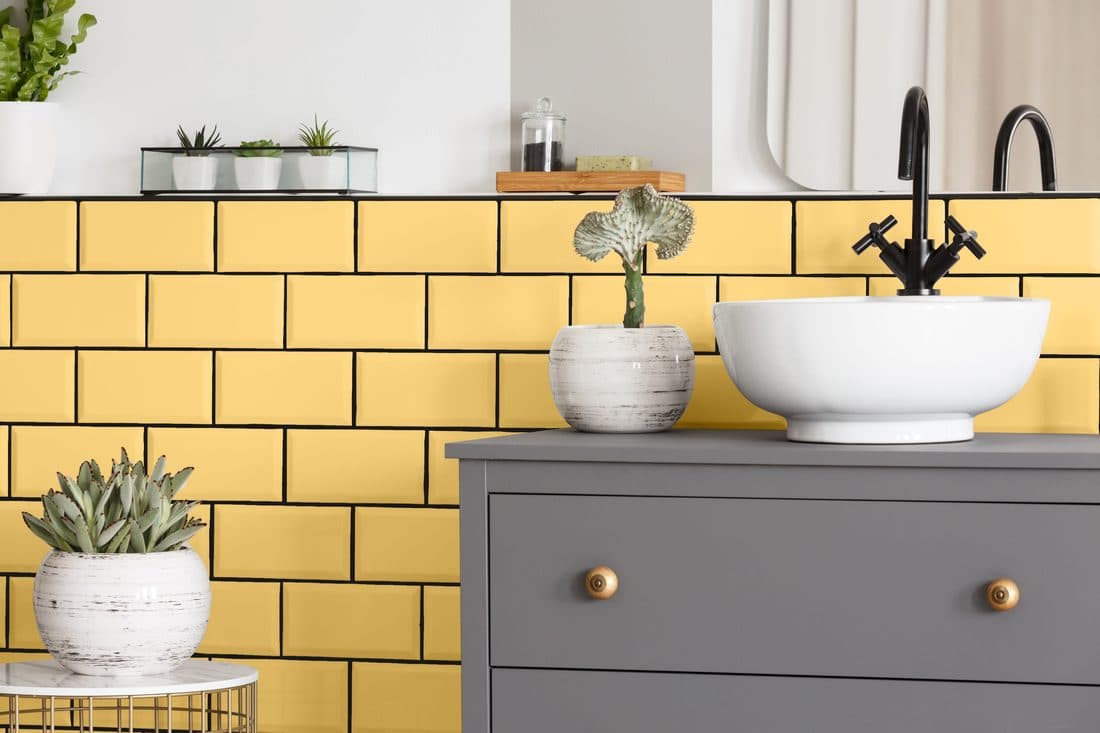
Re-tiling is expensive and messy. Painting tile is neither — and with an all-in-one chalk paint that bonds to ceramic, it's genuinely durable. It's perfect for dated backsplashes, bathroom walls, fireplace surrounds and even floors. Here's how to do it right.
Where painted tile works best
- Great: backsplashes, feature walls, fireplace surrounds, low-traffic floors
- Good with a top coat: bathroom walls, shower surrounds, kitchen floors
- Skip: inside the shower wet-zone and pool surrounds (constant standing water)
Step 1: Clean like you mean it
Tile lives with grease, soap scum and cleaning-product residue — all of which block adhesion. Scrub thoroughly with a strong degreaser, rinse, and let it dry completely. On a glossy glaze, a light scuff sand adds extra grip (optional but helpful).
Step 2: Repair the grout
Fill cracked or missing grout and any chips, then let repairs dry fully. Painting over a sound surface is what makes the finish last.
Step 3: Paint thin coats
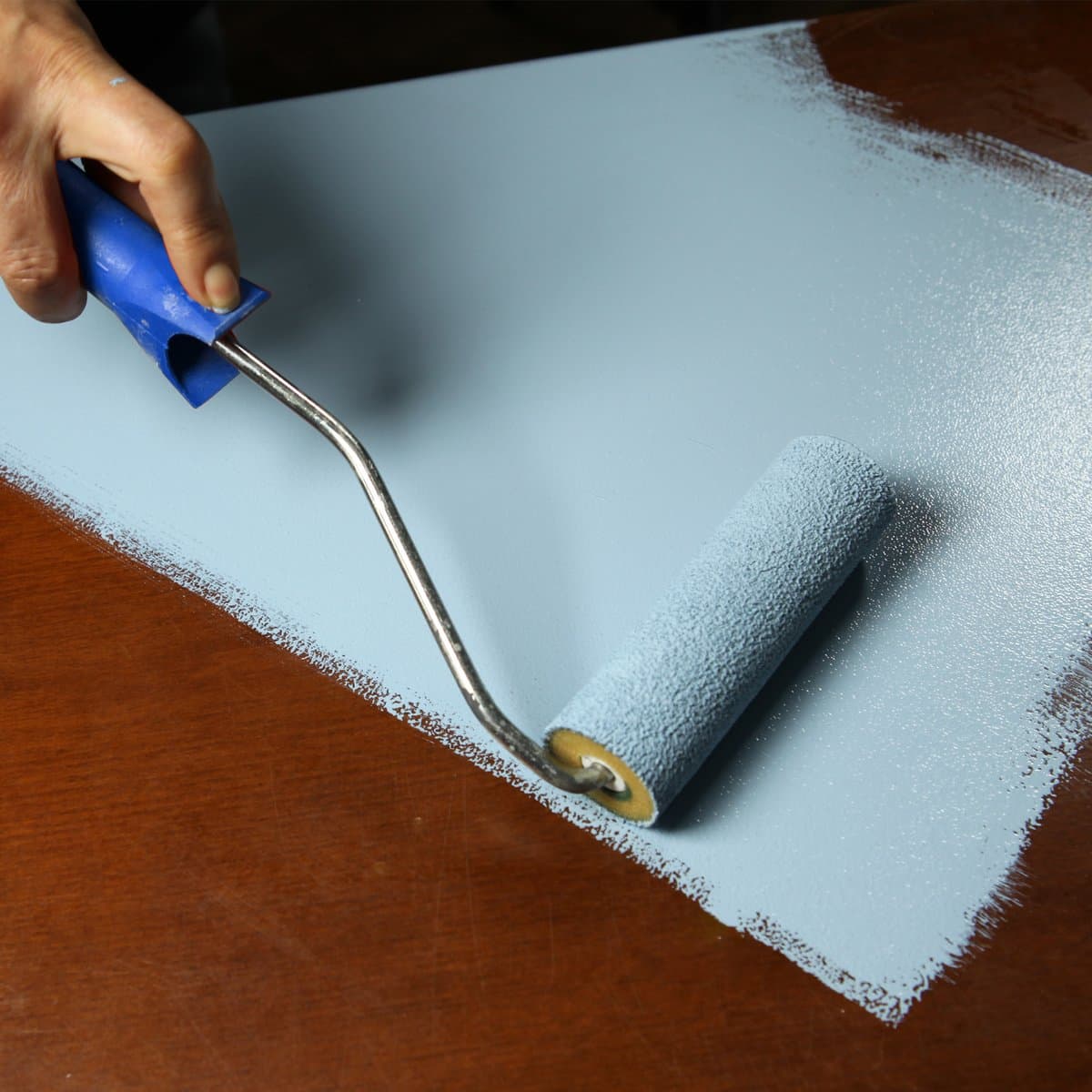
Use a small foam roller for the flat tile faces and a brush to cut in the grout lines. Apply two to three thin coats, letting each dry. You can keep the grout lines visible by painting them a slightly different tone, or roll right over everything for a seamless, modern slab look.
Step 4: Seal what gets wet or walked on
On a backsplash behind a counter, the cured chalk finish is tough enough on its own. For floors, shower surrounds and surfaces that see standing water or constant scrubbing, add a clear top coat for extra water and wear resistance, and let everything cure fully before use.
Make it last
Let painted tile cure for several days before exposing it to heavy moisture. A proper cure is the difference between a finish that chips and one that holds for years.